মানুষ কী খায়? প্রাণী, উদ্ভিদ, ছত্রাক, ব্যাকটেরিয়া, নাকি খাবারের সঙ্গে পরিবেশিত এক বাটি নৈতিক বক্তৃতা?
What do humans eat? Animals, plants, fungi, bacteria — or a generous serving of moral certainty?
আমাদের খাবারের থালা কখনোই শুধু পুষ্টির হিসাব নয়। সেখানে প্রাণ, শ্রম, জমি, জল, পরিবেশ, অর্থনীতি, সংস্কৃতি, পারিবারিক স্মৃতি এবং ব্যক্তিগত সামর্থ্য একসঙ্গে জড়িয়ে থাকে। তবু খাদ্য নিয়ে বিতর্ক শুরু হলে আমরা খুব দ্রুত দুটি দলে ভাগ হয়ে যাই। এক দল নিজেদের বলে সংবেদনশীল ও নৈতিক। অন্য দল প্রশ্ন তোলে, গাছেরও যখন প্রাণ আছে, তখন শুধু প্রাণী না খেলেই নৈতিকভাবে দাগহীন হয়ে যাওয়া যায় কীভাবে?
A meal is never merely a collection of nutrients. It is connected to living organisms, land, water, labour, ecology, economics, culture, memory and personal circumstances. Yet discussions about food quickly divide people into opposing camps. One side presents veganism as the more compassionate and ethical position. The other asks a provocative question: if plants are also alive, how can avoiding animal products make anyone morally innocent?
এই প্রশ্ন থেকে একটি ব্যঙ্গাত্মক শিরোনাম জন্ম নিতে পারে: ভেগান, না উদ্ভিদহন্তারক? শিরোনামটি মজার। কিন্তু এর ভেতরে থাকা বৈজ্ঞানিক ও নৈতিক প্রশ্নের উত্তর ততটা সরল নয়।
That tension gives us a humorous title: vegan, or plant-killer? The title is amusing. The science and ethics behind it are considerably more complicated.
মূল বক্তব্য এক নজরেThe argument in brief
- উদ্ভিদ জীবন্ত এবং আঘাত, আলো, স্পর্শ, জল ও পরিবেশের পরিবর্তনে জটিল জৈবিক প্রতিক্রিয়া দেখায় 2।
- কিন্তু উদ্ভিদের এই প্রতিক্রিয়াকে মানুষ বা প্রাণীর মতো সচেতন ব্যথার অভিজ্ঞতা বলা এখনো বৈজ্ঞানিকভাবে প্রতিষ্ঠিত নয় 35।
- ভেগানিজমের আনুষ্ঠানিক সংজ্ঞাও “কোনো জীবের কোনো ক্ষতি না করা” নয়। এর লক্ষ্য যতটা সম্ভব ও বাস্তবসম্মতভাবে প্রাণীর শোষণ ও নিষ্ঠুরতা এড়িয়ে চলা 1।
- উদ্ভিজ্জ কৃষি ক্ষতিহীন নয়। কৃষিকাজে পোকামাকড়, ছোট প্রাণী, মাটির জীব ও বাসস্থান ক্ষতিগ্রস্ত হয় 9। তবে সেই সত্য থেকে প্রাণী ও উদ্ভিদ খাওয়া নৈতিক ও পরিবেশগতভাবে একেবারে সমান, এমন সিদ্ধান্ত আসে না।
- সবচেয়ে সৎ অবস্থান সম্ভবত নৈতিক বিশুদ্ধতার দাবি নয়। বরং নিজের খাবারের ক্ষতি স্বীকার করে এড়ানো সম্ভব এমন যন্ত্রণা, শোষণ, অপচয় ও পরিবেশগত ক্ষতি কমানোর চেষ্টা করা।
- Plants are living organisms capable of sophisticated biochemical and electrical responses to light, touch, injury and environmental change 2.
- Those responses have not established that plants undergo a conscious, unpleasant experience comparable to animal pain 35.
- The standard definition of veganism does not promise zero harm. It seeks to avoid animal exploitation and cruelty as far as possible and practicable 1.
- Plant agriculture is not harmless. It can injure insects, field animals, soil organisms and ecosystems 9. That fact does not establish that all plant and animal foods have identical ethical or environmental consequences.
- A defensible food ethic focuses less on moral purity and more on reducing the suffering, exploitation, waste and environmental damage that can realistically be avoided.
“গাছের প্রাণ আছে” মানেই কি “গাছ ব্যথা পায়”?
গাছের প্রাণ আছে, এটি নিয়ে কোনো বিতর্ক নেই। উদ্ভিদ জন্মায়, বিপাকক্রিয়া চালায়, পরিবেশ থেকে তথ্য গ্রহণ করে, বৃদ্ধি পায়, বংশবিস্তার করে এবং প্রতিকূল পরিস্থিতির সঙ্গে খাপ খাইয়ে নেয়।
একটি পাতা কাটা হলে উদ্ভিদ শুধু নিষ্ক্রিয়ভাবে পড়ে থাকে না। ক্ষতস্থানে রাসায়নিক পরিবর্তন ঘটে। বৈদ্যুতিক ও ক্যালসিয়ামভিত্তিক সংকেত উদ্ভিদের অন্য অংশে ছড়িয়ে প্রতিরক্ষাব্যবস্থা সক্রিয় করতে পারে। ২০১৮ সালে Science পত্রিকায় প্রকাশিত Toyota ও সহকর্মীদের গবেষণায় দেখা যায়, একটি পাতায় আঘাতের পর গ্লুটামেটসংশ্লিষ্ট সংকেত কয়েক মিনিটের মধ্যে দূরের পাতায় পৌঁছে প্রতিরক্ষামূলক প্রতিক্রিয়া শুরু করতে পারে 2।
এখানে শব্দ ব্যবহারে সতর্কতা প্রয়োজন। Stress response, damage response অথবা defence signalling বলা বৈজ্ঞানিকভাবে যথাযথ। কিন্তু এগুলোকে সরাসরি “কষ্ট”, “ভয়” বা “যন্ত্রণা” বললে আমরা একটি জৈবিক প্রতিক্রিয়াকে মানুষের পরিচিত মানসিক অভিজ্ঞতার ভাষায় অনুবাদ করে ফেলি।
একটি ধোঁয়া শনাক্তকারী যন্ত্র ধোঁয়া পেলে অ্যালার্ম বাজায়। তাই বলে যন্ত্রটি আগুন দেখে আতঙ্কিত হয়েছে, এমন সিদ্ধান্ত নেওয়া যায় না। একইভাবে উদ্ভিদ আঘাতে সংকেত পাঠায় বলেই তার একটি ব্যক্তিগত, সচেতন এবং অপ্রীতিকর অভিজ্ঞতা হচ্ছে, সেটি প্রমাণ করতে আলাদা ধরনের প্রমাণ দরকার।
বর্তমানে উদ্ভিদের প্রাণীদের মতো মস্তিষ্ক, নিউরন, স্বীকৃত স্নায়ুতন্ত্র অথবা প্রাণীসদৃশ synapse থাকার প্রমাণ নেই। Taiz ও সহকর্মীরা উদ্ভিদচেতনার পক্ষে ব্যবহৃত বিভিন্ন যুক্তি পর্যালোচনা করে সেগুলোকে অপর্যাপ্ত বলে মত দেন 3। Robinson ও Draguhn-ও উদ্ভিদের কোষীয় যোগাযোগব্যবস্থাকে প্রাণীর synapse বা nervous system-এর সমতুল্য বলার বিরোধিতা করেছেন 4।
এর অর্থ এই নয় যে plant sentience নিয়ে কোনো গবেষণা বা বিতর্ক নেই। কিছু গবেষক উদ্ভিদের cognition, learning, intelligence বা minimal sentience-এর সম্ভাবনা নিয়ে আলোচনা করেন। ২০২৪ সালে Biology & Philosophy-তে প্রকাশিত একটি সমালোচনামূলক পর্যালোচনা দেখায় যে এ বিষয়ে গবেষকদের মধ্যে মতভেদ রয়েছে। একই সঙ্গে পর্যালোচনাটি বলছে, উদ্ভিদের আচরণগত বা শারীরবৃত্তীয় জটিলতা নিজেরাই sentience-এর প্রমাণ নয়, এবং উদ্ভিদের sentience পরীক্ষার জন্য উপযুক্ত পরীক্ষাপদ্ধতি এখনো তৈরি হয়নি 5।
উদ্ভিদ জীবন্ত, জটিল এবং অত্যন্ত প্রতিক্রিয়াশীল। কিন্তু তারা প্রাণীর মতো সচেতনভাবে ব্যথা অনুভব করে, এমন নির্ভরযোগ্য প্রমাণ এখনো পাওয়া যায়নি।
প্রতিক্রিয়া, বুদ্ধিমত্তা এবং অনুভূতি এক বিষয় নয়
খাবারের বিতর্কে তিনটি ধারণা প্রায়ই একসঙ্গে মিশে যায়: জীবন, তথ্যপ্রক্রিয়াকরণ এবং সচেতন অনুভূতি।
একটি জীব পরিবেশের তথ্য অনুযায়ী নিজের আচরণ বদলাতে পারে। ব্যাকটেরিয়া রাসায়নিক পদার্থের দিকে এগোয় অথবা সরে যায়। সূর্যমুখী আলো অনুসরণ করে। লতা আশপাশের অবলম্বন খুঁজে পাক খায়। গাছ জলস্বল্পতায় পাতার রন্ধ্র বন্ধ করে।
এই প্রতিক্রিয়াগুলো অত্যন্ত জটিল হতে পারে। কিন্তু জটিল প্রতিক্রিয়া মানেই সচেতন অভিজ্ঞতা নয়।
একটি অ্যালগরিদম দাবা খেলতে পারে। একটি thermostat তাপমাত্রা বুঝে যন্ত্র চালু করতে পারে। একটি immune system পূর্বের সংক্রমণের তথ্য ধরে রাখতে পারে। তবু এসবের প্রতিটির ভেতরে মানুষের মতো অনুভূতি আছে বলে আমরা ধরে নিই না।
তাই উদ্ভিদের ক্ষমতাকে খাটো করারও প্রয়োজন নেই, আবার তাদের প্রতিটি প্রতিক্রিয়াকে মানুষের অনুভূতির ছাঁচে ফেলারও প্রয়োজন নেই। “গাছেরও জীবন আছে” একটি জৈবিক সত্য। “গাছ আমার মতো যন্ত্রণা অনুভব করে” একটি আলাদা দাবি। দ্বিতীয় দাবিটির জন্য প্রথমটির চেয়ে অনেক বেশি প্রমাণ প্রয়োজন।
ভেগানিজম আসলে কী দাবি করে?
ভেগানিজমকে সমালোচনা করার আগে ভেগানিজম কী দাবি করে, সেটি স্পষ্ট করা প্রয়োজন। সবচেয়ে পরিচিত আনুষ্ঠানিক সংজ্ঞাটি দিয়েছে The Vegan Society 1।
“Veganism is a philosophy and way of living which seeks to exclude — as far as is possible and practicable — all forms of exploitation of, and cruelty to, animals for food, clothing or any other purpose.”
এই সংজ্ঞায় দুটি শব্দ বিশেষ গুরুত্বপূর্ণ: possible and practicable — অর্থাৎ, যতটা সম্ভব এবং বাস্তবে প্রয়োগযোগ্য।
এখানে কোথাও বলা হচ্ছে না যে একজন ভেগান পৃথিবীর কোনো জীবের কোনো ক্ষতি করেন না। বলা হচ্ছে, যেসব প্রাণীশোষণ ও নিষ্ঠুরতা বাস্তবসম্মতভাবে এড়ানো সম্ভব, সেগুলো এড়িয়ে চলার চেষ্টা করা উচিত।
তাই ভেগানিজমের শক্তিশালী যুক্তি “আমার কারণে কোনো জীবের মৃত্যু হয় না” নয়। যুক্তিটি হলো, “আমি প্রয়োজনহীন প্রাণীশোষণ এবং এড়ানো সম্ভব এমন ক্ষতি কমাতে চাই।” এই পার্থক্যটি গুরুত্বপূর্ণ, কারণ প্রথম দাবি প্রায় অসম্ভব, আর দ্বিতীয় দাবি বাস্তব জগতে পরীক্ষা করা যায়।
ভেগানিজম আর plant-based diet কি একই?
সব ভেগান খাদ্য উদ্ভিদভিত্তিক, কিন্তু সব উদ্ভিদভিত্তিক খাদ্যাভ্যাস নৈতিক ভেগানিজম নয়।
কেউ স্বাস্থ্যগত কারণে প্রাণিজ খাবার বাদ দিতে পারেন। কেউ পরিবেশগত কারণে মাংস কমাতে পারেন। কেউ দুধ বা ডিম খান না, কিন্তু চামড়ার পোশাক বা প্রাণীর ওপর পরীক্ষিত প্রসাধনী ব্যবহার করেন।
এ ক্ষেত্রে তাঁর খাদ্যাভ্যাস plant-based হতে পারে, কিন্তু জীবনদর্শন হিসেবে ভেগানিজমের সব শর্ত তিনি অনুসরণ নাও করতে পারেন। এ কারণেই “ভেগান” শব্দটিকে শুধু একটি খাদ্যতালিকার নাম হিসেবে ব্যবহার করলে আলোচনা অসম্পূর্ণ হয়ে যায়।
তাহলে “vegan hypocrisy” কোথায়?
কোনো ব্যবস্থা নিখুঁত নয়, এটি ভণ্ডামির প্রমাণ নয়।
ভণ্ডামি তখনই হয়, যখন একজন মানুষ নিজের ঘোষিত নীতি ও নিজের আচরণের মধ্যে থাকা স্পষ্ট দ্বন্দ্বকে অস্বীকার করেন, অথবা নিজের অপূর্ণ অবস্থানকে ব্যবহার করে অন্যের চরিত্রের ওপর রায় দেন।
উদাহরণ হিসেবে বলা যায়, কেউ প্রাণীর শোষণ নিয়ে খুব উচ্চকণ্ঠ, কিন্তু কৃষিশ্রমিকের শোষণ, খাদ্যের অপচয়, অপ্রয়োজনীয় আমদানি, বিপুল প্যাকেজিং অথবা বন ধ্বংসের প্রশ্নকে একেবারে অপ্রাসঙ্গিক বলে মনে করেন। অথবা কেউ এমনভাবে কথা বলেন যেন তাঁর থালাটি নৈতিকভাবে সম্পূর্ণ পরিষ্কার, আর অন্য মানুষের থালা চরিত্রগত ব্যর্থতার প্রমাণ।
এখানেই ব্যঙ্গের যথার্থ জায়গা। সমস্যা ভেগান হওয়া নয়। সমস্যা হলো, আংশিক হিসাব হাতে নিয়ে সম্পূর্ণ নৈতিক শ্রেষ্ঠত্ব দাবি করা।
তবে এটিও মনে রাখতে হবে, পৃথিবীর সব ক্ষতি বন্ধ করা সম্ভব নয় বলে কোনো নির্দিষ্ট ক্ষতি কমানোর চেষ্টা অর্থহীন হয়ে যায় না। চিকিৎসা সব মৃত্যু আটকাতে পারে না বলে চিকিৎসা ভণ্ডামি নয়। সড়ক নিরাপত্তা সব দুর্ঘটনা ঠেকাতে পারে না বলে seat belt অপ্রয়োজনীয় নয়। একইভাবে, একটি ভেগান বা কম প্রাণিজ খাদ্যভিত্তিক জীবনযাপন যদি বাস্তবে কিছু প্রাণীশোষণ ও পরিবেশগত ক্ষতি কমায়, তাহলে “তোমার গাজরও তো জীবন্ত” সেই যুক্তির পূর্ণ জবাব নয়।
উদ্ভিজ্জ কৃষিও কি প্রাণী হত্যা করে?
হ্যাঁ, করে।
ধান, গম, ভুট্টা, ডাল, ফল বা সবজি আকাশ থেকে রান্নাঘরে পড়ে না। জমি পরিষ্কার করা, মাটি চাষ, সেচ, কীটনাশক ব্যবহার, আগাছা নিয়ন্ত্রণ, ফসল কাটা, সংরক্ষণ এবং পরিবহনের প্রতিটি ধাপে পরিবেশগত প্রভাব পড়ে। পোকামাকড় মারা যেতে পারে। ক্ষেতে থাকা ইঁদুর, সরীসৃপ, পাখি বা ছোট প্রাণী ক্ষতিগ্রস্ত হতে পারে। প্রাকৃতিক বাসস্থান বদলে যেতে পারে। মাটি, জল এবং জীববৈচিত্র্যের ওপরও চাপ পড়ে।
Fischer ও Lamey তাঁদের Field Deaths in Plant Agriculture গবেষণায় স্পষ্ট করেছেন যে উদ্ভিজ্জ কৃষিতে প্রাণীর ক্ষতি হয়। একই সঙ্গে তাঁরা দেখিয়েছেন, এই ক্ষতির মোট পরিমাণ সম্পর্কে নির্ভরযোগ্য হিসাব তৈরি করা অত্যন্ত কঠিন। সীমিত তথ্য, বিভিন্ন ধরনের কৃষিপদ্ধতি এবং “কোন মৃত্যু কৃষির কারণে ঘটেছে” তা নির্ধারণের সমস্যার কারণে সামাজিক মাধ্যমে প্রচলিত অনেক নির্দিষ্ট সংখ্যা সন্দেহের সঙ্গে দেখা প্রয়োজন 9।
সুতরাং “উদ্ভিজ্জ খাবার সম্পূর্ণ ক্ষতিহীন” বলা ভুল। কিন্তু এখান থেকে “উদ্ভিদ খাওয়া ও প্রাণী খাওয়ার সব প্রভাব সমান” বলা আরও একটি ভুল।
প্রাণীও তো উদ্ভিদ খায়
গবাদি পশু, হাঁস, মুরগি এবং অন্যান্য খামারের প্রাণীকে বড় করতে খাদ্য প্রয়োজন। সেই খাদ্যের একটি বড় অংশ আসে শস্য, সয়াবিন, ভুট্টা, ঘাস অথবা অন্যান্য উদ্ভিদ থেকে। অর্থাৎ বহু প্রাণিজ খাবারের ক্ষেত্রে হিসাবটি শুধু প্রাণী হত্যায় শেষ হয় না। প্রাণীকে খাওয়ানোর জন্যও জমি, জল, সার, জ্বালানি এবং উদ্ভিদভিত্তিক খাদ্য প্রয়োজন হয়।
Poore ও Nemecek-এর ১১৯টি দেশের ৩৮,৭০০ খামার নিয়ে করা জীবনচক্রভিত্তিক গবেষণা দেখায় যে একই পণ্যের উৎপাদকভেদে বিরাট পার্থক্য থাকে, কিন্তু সামগ্রিকভাবে প্রাণিজ পণ্যের জমি ও নিঃসরণজনিত প্রভাব উদ্ভিজ্জ বিকল্পের তুলনায় বেশি 6।
যুক্তরাজ্যের ৫৫,৫০৪ জন মানুষের বাস্তব খাদ্যাভ্যাস নিয়ে ২০২৩ সালের Nature Food গবেষণাতেও একই ধারা পাওয়া গেছে 7।
সব প্রাণিজ খাবার সমান নয়। সব উদ্ভিজ্জ খাবারও সমান নয়। কিন্তু সামগ্রিক ব্যবস্থার হিসাবে অধিক প্রাণিজ খাদ্য সাধারণত বেশি জমি ও সম্পদ ব্যবহার করে।
খাদ্য রূপান্তরের অঙ্ক
একটি প্রাণীকে উদ্ভিদ খাইয়ে পরে সেই প্রাণীর মাংস, দুধ বা ডিম মানুষের খাদ্যে রূপান্তর করতে গেলে প্রতিটি ক্যালরি ও প্রোটিন পুরোপুরি ফিরে পাওয়া যায় না। প্রাণী তার শরীর চালাতে, চলাফেরা করতে, তাপ উৎপাদন করতে, হাড়, চামড়া ও অন্যান্য অখাদ্য অংশ তৈরি করতে খাদ্যশক্তি ব্যবহার করে।
Shepon ও সহকর্মীরা এই ক্ষতিকে বলেছেন opportunity food loss — পুষ্টিগতভাবে তুলনীয় উদ্ভিজ্জ বিকল্পের বদলে প্রাণিজ পণ্য বেছে নিলে যত খাদ্য উৎপাদনের সুযোগ হারানো যায় 8।
তবে এখানেও বাস্তবতা একরঙা নয়। সব গবাদি পশু শুধু মানুষের খাদ্যযোগ্য শস্য খায় না। অনেক প্রাণী ঘাস, কৃষিজ অবশিষ্টাংশ বা মানুষের অখাদ্য উপাদানও ব্যবহার করতে পারে। কিছু এলাকায় চারণভূমি ফসল উৎপাদনের উপযুক্ত নয়। স্থানীয় মিশ্র কৃষিতে প্রাণী সার, শ্রম এবং আয়ও দিতে পারে।
তাই বৈশ্বিক গড়কে প্রতিটি গ্রাম, খামার বা পরিবারের ওপর যান্ত্রিকভাবে চাপিয়ে দেওয়া উচিত নয়। তারপরও সামগ্রিক resource efficiency-এর প্রশ্নটি অস্বীকার করা যায় না।
দুধ, ডিম ও মধু নিয়ে নৈতিক প্রশ্ন
দুধ, ডিম এবং মধু নিয়ে ভেগান বিতর্কের কেন্দ্রে শুধু একটি পণ্য নয়, উৎপাদনের সম্পূর্ণ প্রক্রিয়া থাকে। প্রশ্নগুলো হলো:
- প্রাণী কীভাবে রাখা হচ্ছে, তার স্বাভাবিক চলাচল কতটা সীমিত?
- প্রজনন নিয়ন্ত্রণ করা হচ্ছে কি? শাবককে আলাদা করা হচ্ছে কি?
- অতিরিক্ত উৎপাদনের জন্য শরীরের ওপর চাপ সৃষ্টি হচ্ছে কি?
- উৎপাদনক্ষমতা কমে গেলে প্রাণীটির কী হয়?
এই প্রশ্নগুলো শিল্পখামারের ক্ষেত্রে বিশেষ গুরুত্বপূর্ণ। তবে সব খামার, সব অঞ্চলের কৃষি এবং সব উৎপাদনপদ্ধতি এক নয়। একটি বড় শিল্পঘন খামার, একটি ছোট পারিবারিক মিশ্র খামার এবং বন ধ্বংস করে তৈরি করা বিশাল monoculture ক্ষেতকে একই নৈতিক বাক্সে রাখা যথাযথ নয়।
একটি পণ্যের নাম দেখে সম্পূর্ণ নৈতিক রায় দেওয়া যেমন সরলীকরণ, তেমনই উৎপাদনের বাস্তবতা না দেখে “স্বাভাবিক” বলে সবকিছু মেনে নেওয়াও সরলীকরণ।
একটি খাবারের নৈতিকতা মাপব কীভাবে?
শুধু “এটি জীবন্ত কিছুর অংশ কি না” দিয়ে খাদ্যের নৈতিকতা বিচার করলে আলোচনা দ্রুত অচল হয়ে যায়। ফল জীবন্ত উদ্ভিদের অংশ। বীজে নতুন উদ্ভিদ জন্মানোর সম্ভাবনা থাকে। পাতা, কন্দ, শিকড়, ছত্রাক ও ব্যাকটেরিয়া জীবনের বিভিন্ন রূপ।
তাই কার্যকর নৈতিক বিশ্লেষণে অন্তত সাতটি আলাদা প্রশ্ন প্রয়োজন।
১. Sentience
সংশ্লিষ্ট প্রাণী বা জীবটির সচেতনভাবে সুখ, ভয়, অস্বস্তি বা ব্যথা অনুভব করার প্রমাণ কতটা শক্তিশালী?
২. Necessity
ব্যবহারটি কি জীবনধারণের জন্য প্রয়োজনীয়, নাকি সহজ ও কার্যকর বিকল্প আছে?
৩. Severity
ক্ষতিটি কতটা গুরুতর? সাময়িক অস্বস্তি, দীর্ঘমেয়াদি বন্দিত্ব, শারীরিক যন্ত্রণা এবং মৃত্যু একই ধরনের ক্ষতি নয়।
৪. Scale
কত জীবের ওপর, কত ঘনঘন এবং কত দীর্ঘ সময় ধরে ক্ষতি ঘটছে?
৫. Environmental impact
জমি, জল, নিঃসরণ, বন, কীটনাশক, মাটি এবং জীববৈচিত্র্যের ওপর প্রভাব কতটা?
৬. Human justice
কৃষক, শ্রমিক, স্থানীয় মানুষ এবং কম আয়ের পরিবারের ওপর খাদ্যব্যবস্থার প্রভাব কী?
৭. Accessibility
যে নৈতিক পছন্দের কথা বলা হচ্ছে, সেটি কি বাস্তবে সবার নাগালে আছে?
এই প্রশ্নগুলো একসঙ্গে দেখলে ভেগান বা অধিক উদ্ভিদভিত্তিক খাদ্য বহু ক্ষেত্রে শক্তিশালী harm-reduction পছন্দ হতে পারে। আবার কোনো ব্যক্তির চিকিৎসাগত প্রয়োজন, খাদ্যসংকট, আয়, ভৌগোলিক অবস্থান বা স্থানীয় খাদ্যব্যবস্থার কারণে একই নির্বাচন সম্ভব নাও হতে পারে।
নৈতিকতার কাজ বাস্তবতাকে অস্বীকার করে আদেশ দেওয়া নয়। বরং বাস্তবতার ভেতরে অপ্রয়োজনীয় ক্ষতি শনাক্ত করা।
গাছের মূল্য কি শুধু ব্যথা অনুভবের ওপর নির্ভর করে?
না।
উদ্ভিদ প্রাণীর মতো ব্যথা অনুভব করে কি না, সেটিই উদ্ভিদের মূল্য নির্ধারণের একমাত্র মাপকাঠি নয়। উদ্ভিদ পৃথিবীর বাস্তুতন্ত্রের ভিত্তি। তারা অক্সিজেনচক্র, কার্বনচক্র, জলচক্র, মাটি, খাদ্যশৃঙ্খল এবং অসংখ্য প্রাণীর আশ্রয়ের সঙ্গে যুক্ত। একটি পুরোনো বন কেবল অনেকগুলো গাছের সমষ্টি নয়। এটি একটি জটিল জীবসমাজ।
তাই “গাছ ব্যথা পায় না, অতএব গাছের কোনো মূল্য নেই” বলা যেমন ভুল, তেমনই “গাছ জীবন্ত, অতএব গাছ ও গরু খাওয়া সম্পূর্ণ একই” বলাও ভুল। জীবন, sentience, ecological value এবং ব্যক্তিগত অভিজ্ঞতা আলাদা ধারণা। নৈতিক বিশ্লেষণে এগুলোকে আলাদা রেখেই সম্পর্ক খুঁজতে হয়।
খাবার শুধু নৈতিক সিদ্ধান্ত নয়, স্মৃতিও
খাবার নিয়ে আলোচনা করতে গিয়ে আমরা প্রায়ই একটি বড় বিষয় ভুলে যাই। খাবার স্মৃতি বহন করে।
একটি রান্নার গন্ধ শৈশবের দুপুর ফিরিয়ে আনতে পারে। কোনো স্বাদ মনে করিয়ে দিতে পারে একজন প্রিয় মানুষকে। কোনো উৎসবের খাবার পারিবারিক সম্পর্ক, অঞ্চল, ভাষা এবং পরিচয়ের অংশ হয়ে উঠতে পারে।
Reid ও সহকর্মীদের গবেষণায় দেখা গেছে, খাবার সরাসরি nostalgia তৈরি করতে পারে এবং এই nostalgia সাধারণত autobiographical relevance, পরিচিতি ও ইতিবাচক আবেগের সঙ্গে যুক্ত 10। স্বাদ ও গন্ধে জেগে ওঠা স্মৃতিকে ঘিরে “Proust effect” বিষয়ক পর্যালোচনাতেও দেখা যায়, food-evoked এবং scent-evoked nostalgia ব্যক্তিগত পরিচয়, সামাজিক সংযোগ ও জীবনের অর্থবোধের সঙ্গে সম্পর্কিত হতে পারে 11।
তাই কারও কাছে মাছের ঝোল শুধু protein source নয় — সেটি হয়তো মায়ের রান্নাঘর। কারও কাছে পায়েস শুধু দুধ, চাল ও চিনি নয় — সেটি হয়তো জন্মদিন, পরিবারের হাসি এবং হারিয়ে যাওয়া সময়।
খাদ্যাভ্যাস পরিবর্তনের আলোচনা সফল করতে হলে এই আবেগকে অপমান করা চলবে না। নতুন উপাদান, নতুন রান্না এবং নতুন সামাজিক অভ্যাসের মাধ্যমে পুরোনো স্মৃতির ধারাবাহিকতা তৈরি করা সম্ভব।
“প্রতিটি খাবারেই একটি জীবনের মৃত্যু” কথাটি কি ঠিক?
পুরোপুরি নয়। সব ধরনের খাবার সংগ্রহে সম্পূর্ণ উদ্ভিদের মৃত্যু ঘটে না।
- ফল সংগ্রহ করলে গাছ বেঁচে থাকে।
- অনেক ক্ষেত্রে পাতা ছাঁটার পরও উদ্ভিদ বেঁচে থাকে।
- কিছু শস্য, ফল ও বীজ উদ্ভিদের প্রাকৃতিক প্রজননপ্রক্রিয়ার অংশ হিসেবেই তৈরি হয়।
- আবার মূল, কন্দ বা সম্পূর্ণ উদ্ভিদ সংগ্রহ করলে সেই গাছের মৃত্যু হতে পারে।
তাই “প্রতিটি খাবারের জন্য একটি জীবনের অবসান ঘটে” বাক্যটি আবেগময় হলেও বৈজ্ঞানিকভাবে অতিরিক্ত সাধারণীকরণ।
প্রতিটি খাদ্যব্যবস্থার কোনো না কোনো জৈবিক, পরিবেশগত, সামাজিক অথবা নৈতিক মূল্য আছে।
এই বাক্যটি সবজির ক্ষতি লুকায় না। প্রাণীর যন্ত্রণাকেও উদ্ভিদের প্রতিক্রিয়ার সঙ্গে মিশিয়ে দেয় না।
নৈতিক থালা কি সম্ভব?
সম্পূর্ণ ক্ষতিহীন থালা সম্ভবত বাস্তব জগতে নেই। কিন্তু তাই বলে সব থালার ক্ষতি সমান নয়।
- একটি খাবার কম জমি ব্যবহার করতে পারে।
- একটি খাবারের জন্য কম প্রাণী বন্দী হতে পারে।
- একটি উৎপাদনপদ্ধতিতে কম কীটনাশক লাগতে পারে।
- একটি স্থানীয় ফসল কম পরিবহননির্ভর হতে পারে।
- একটি মৌসুমি খাদ্য কম শক্তি ব্যবহার করতে পারে।
- একটি পরিবার খাবারের অপচয় অর্ধেক করতে পারে।
কেউ সপ্তাহে সাত দিন মাংস খাওয়ার বদলে দুই দিন খেতে পারেন। কেউ প্রাণিজ খাবার পুরোপুরি বাদ দিতে পারেন। কেউ শিল্পখামারের পণ্য এড়িয়ে স্থানীয় ও উন্নত প্রাণীকল্যাণসম্পন্ন উৎস বেছে নিতে পারেন। কেউ খাদ্য পরিবর্তনের পাশাপাশি শ্রমিক, কৃষক এবং পরিবেশের প্রশ্নটিকেও সমান গুরুত্ব দিতে পারেন।
নৈতিকতা সবসময় পরিচয়ের নাম নয়। অনেক সময় এটি ধারাবাহিকভাবে নেওয়া ছোট ছোট সিদ্ধান্তের সমষ্টি।
ব্যঙ্গের শেষ, যুক্তির শুরু
“ভেগান না উদ্ভিদহন্তারক?” প্রশ্নটি হাসায়। কারণ শব্দটি আমাদের নৈতিক আত্মবিশ্বাসে একটি ছোট ধাক্কা দেয়। কিন্তু সেই ধাক্কার পরে যদি আমরা সিদ্ধান্ত নিই যে গাছ ও প্রাণীর মধ্যে কোনো পার্থক্য নেই, তাহলে ব্যঙ্গটি যুক্তির বদলে আরেকটি স্লোগানে পরিণত হবে।
আবার যদি কেউ বলেন, “আমি ভেগান, তাই আমার খাবারের কোনো পরিবেশগত বা সামাজিক ক্ষতি নেই”, সেটিও বাস্তবতার সঙ্গে মিলবে না।
দুই পক্ষের জন্যই একই শিক্ষা প্রযোজ্য। নিজের থালার সীমাবদ্ধতা স্বীকার করা দুর্বলতা নয়। নিজের খাবারের ক্ষতি কমানোর চেষ্টা ভণ্ডামি নয়। অন্যের বাস্তবতা না বুঝে তাকে নৈতিকভাবে নিকৃষ্ট বলা কোনো উন্নত নৈতিকতা নয়।
উপসংহার
খাওয়া মানে শুধু ক্ষুধা মেটানো নয়। খাওয়া মানে নির্বাচন। নির্বাচন মানে কিছু দায়। কিন্তু সেই দায়ের হিসাব সবসময় সাদা অথবা কালো নয়।
উদ্ভিদ জীবন্ত এবং জটিল। তাদের সম্মান করা দরকার। বন, মাটি, জল ও জীববৈচিত্র্য রক্ষা করা দরকার। প্রাণীরাও অনুভূতিসম্পন্ন জীব। শিল্পভিত্তিক বন্দিত্ব, যন্ত্রণা ও অপ্রয়োজনীয় শোষণের প্রশ্ন এড়িয়ে যাওয়া যায় না। মানুষের খাদ্যসংস্কৃতি, স্মৃতি, স্বাস্থ্য, সামর্থ্য এবং স্থানীয় বাস্তবতাও উপেক্ষা করা যায় না।
তাই সবচেয়ে সৎ খাদ্যদর্শন সম্ভবত এই:
আমার খাবারও পৃথিবীতে চিহ্ন রেখে যায়। আমি সম্পূর্ণ নির্দোষ নই। তবু তথ্য, সামর্থ্য এবং বাস্তবতার মধ্যে যতটা সম্ভব অপ্রয়োজনীয় যন্ত্রণা, শোষণ, অপচয় ও পরিবেশগত ক্ষতি কমানোর চেষ্টা করব।
থালার নৈতিকতা একরঙা নয়। কিন্তু ধূসর বলেই সব রং সমান হয়ে যায় না।
Does being alive mean being capable of pain?
There is no scientific controversy over whether plants are alive. Plants grow, reproduce, regulate their internal systems, process environmental information and respond to threats.
When a leaf is damaged, a plant can generate chemical and electrical signals that travel through its tissues. Research published in Science demonstrated rapid glutamate-related calcium signalling between a damaged leaf and distant parts of a plant, activating defensive responses within minutes 2.
This is a remarkable biological process. It is not, by itself, evidence of suffering.
A response to damage and a conscious experience of pain are different phenomena. A smoke detector responds to smoke, but we do not conclude that the detector is frightened. Similarly, evidence that a plant detects damage does not automatically demonstrate that the plant experiences an unpleasant subjective state.
Plants do not possess animal-like brains, neurons, recognised nervous systems or synapses. Reviews by Taiz and colleagues 3, and by Robinson and Draguhn 4, argue that claims of plant consciousness or animal-like neural systems are not supported by current evidence.
The wider debate is not entirely closed. Some researchers discuss plant cognition, intelligence or minimal sentience. A 2024 critical review in Biology & Philosophy noted substantial conceptual disagreement in the field. It also concluded that behavioural and physiological complexity alone is not evidence of sentience, and that appropriate experimental tests for plant sentience have not yet been developed 5.
Plants are living, complex and highly responsive organisms. Reliable evidence that they consciously experience animal-like pain is currently lacking.
Response, intelligence and experience are not identical
Three concepts are frequently confused in food debates: life, information processing and conscious experience.
An organism may respond intelligently to its environment without necessarily having a subjective inner experience. Bacteria move towards nutrients. Roots grow towards water. Plants alter growth and defence according to light, temperature and chemical signals.
These capacities can be extraordinarily sophisticated. But sophistication alone does not demonstrate consciousness. An algorithm can play chess. A thermostat can regulate temperature. An immune system can retain information about previous infections. We do not automatically assume that each of these systems experiences feelings.
We should therefore neither trivialise plant biology nor translate every plant response into human emotional language. “Plants respond to damage” is a biological observation. “Plants suffer as animals do” is an additional claim requiring additional evidence.
What does veganism actually claim?
The most widely used formal definition comes from The Vegan Society 1.
“Veganism is a philosophy and way of living which seeks to exclude — as far as is possible and practicable — all forms of exploitation of, and cruelty to, animals for food, clothing or any other purpose.”
The phrase “possible and practicable” is essential. The definition does not claim that a vegan causes no death or ecological disturbance. It recognises that ethical decisions must operate within the limits of the real world.
The strongest version of the vegan argument is therefore not “my life causes no harm”. It is: “I seek to reduce animal exploitation and avoidable harm where realistic alternatives exist.” The first claim is almost impossible to defend. The second is a practical harm-reduction principle.
Veganism and a plant-based diet are not the same
A person may avoid animal foods for health, environmental or personal reasons while continuing to use animal-derived clothing, cosmetics or other products.
That person may follow a plant-based diet without subscribing to the broader ethical philosophy of veganism. Ethical veganism addresses the use of animals beyond food; a plant-based diet describes what someone eats. Confusing the two makes the discussion less precise.
Where does vegan hypocrisy actually begin?
Imperfection is not the same as hypocrisy.
Hypocrisy begins when a person presents an incomplete ethical practice as proof of complete moral superiority, while denying contradictions between stated principles and actual conduct.
For example, a person may strongly oppose animal exploitation while dismissing agricultural labour abuse, extravagant food waste, environmentally destructive imports or excessive packaging as irrelevant. Another form appears when diet becomes a certificate of personal virtue and a tool for judging the character of people whose income, health, geography or cultural circumstances are different.
This is a legitimate subject for satire. The problem is not the attempt to reduce animal harm. The problem is claiming an entirely clean conscience from an incomplete ethical account.
At the same time, the inability to eliminate every harm does not make efforts to reduce a particular harm meaningless. Medicine does not prevent every death, but treatment is not hypocritical. Road safety does not prevent every collision, but seat belts are not fraudulent. Likewise, if vegan practice reduces avoidable exploitation, “your carrot is alive” is not a complete rebuttal.
Does plant agriculture kill animals?
Yes.
Crop farming affects living organisms. Land clearing, tillage, irrigation, pesticides, harvesting, storage and transport can harm insects, rodents, reptiles, birds, soil organisms and habitats.
Fischer and Lamey’s study of field deaths in plant agriculture confirms that such harm occurs. It also emphasises how difficult it is to produce a reliable total estimate. Limited evidence, different farming methods and philosophical disagreements about which deaths should be attributed to agriculture make viral claims about exact numbers highly uncertain 9.
It is therefore inaccurate to describe plant agriculture as completely harmless. It is equally inaccurate to conclude that the existence of crop-related harm makes all plant and animal foods ethically or environmentally equivalent.
Farmed animals also consume plants
Animals raised for meat, milk and eggs require food. Much of that food comes from crops, forage and other plant material. Producing animal foods can therefore require plant production in addition to the direct use of animals. In many cases animal agriculture does not replace plant agriculture; it adds another conversion stage.
The global life-cycle assessment by Poore and Nemecek, covering 38,700 farms in 119 countries, found substantial variation between producers while also showing that many animal products have greater land and emissions impacts than plant alternatives 6.
A 2023 Nature Food study of the actual diets of 55,504 people in the UK found the same direction of travel 7.
Not every plant food is sustainable and not every animal product has an identical footprint. But at the food-system level, higher reliance on animal products generally requires more land and resources.
The arithmetic of food conversion
When human-edible crops are fed to animals and later converted into meat, milk or eggs, not all of the original energy and protein returns as human food. Animals use energy to maintain their bodies, move, regulate temperature and build bone, skin and other inedible tissue.
Shepon and colleagues call this the opportunity food loss: the food forgone by choosing a resource-intensive animal product over a nutritionally comparable plant alternative 8.
This does not mean that every animal farming system is identical. Some animals consume grass, crop residues or materials humans cannot digest. Some grazing lands are unsuitable for crop production. Mixed farms can also provide manure, income and other functions.
Global averages should not be mechanically applied to every village, farmer or ecosystem. Nevertheless, the overall issue of conversion efficiency remains important.
Milk, eggs and honey beyond slogans
The ethical questions surrounding milk, eggs and honey concern production systems, not merely product names:
- How are the animals kept, and how much movement is allowed?
- Is reproduction controlled? Are young animals separated?
- Does selective breeding place excessive strain on their bodies?
- What happens when production declines?
These are especially important questions in intensive industrial systems. However, not every farm or region operates in the same way. A small mixed farm, a highly intensive animal facility and a biodiversity-destroying monoculture field should not be placed in an identical ethical category.
Judging morality solely from the name of a product oversimplifies reality. Ignoring production conditions because a practice is traditional oversimplifies it in the opposite direction.
How should the ethics of a meal be evaluated?
If we judge food only by asking whether it came from something alive, the discussion becomes impossible. Fruit, seeds, leaves, roots, fungi and microbes all belong to living systems. A more useful framework asks seven separate questions.
1. Sentience
How strong is the evidence that the affected being can consciously experience pleasure, fear or pain?
2. Necessity
Is the use essential, or is an accessible and effective alternative available?
3. Severity
Is the harm brief, prolonged, painful, restrictive or fatal?
4. Scale
How many beings are affected, and how often?
5. Environmental impact
What are the consequences for land, water, emissions, forests, soil, pesticides and biodiversity?
6. Human justice
How are farmers, workers, local communities and low-income households affected?
7. Accessibility
Can people realistically adopt the proposed alternative?
Under this framework, vegan or predominantly plant-based diets can often be strong harm-reduction choices. The same choices may not be equally available to every person because of health, geography, food security, culture or income.
The purpose of ethics is to identify avoidable harm within reality, not to erase reality with a slogan.
Do plants have value even without evidence of pain?
Certainly. The value of plants does not depend solely on whether they consciously feel pain.
Plants support oxygen, carbon and water cycles. They stabilise soil, create habitat and form the foundation of food webs. An old forest is not simply a collection of individual trees; it is a complex ecological community.
“Plants do not feel animal-like pain, therefore plants have no value” is a mistaken conclusion. “Plants are alive, therefore eating a plant and eating a cow are morally identical” is also mistaken. Life, sentience, ecological importance and subjective experience are different concepts, and ethical reasoning must consider their relationships without collapsing them into one category.
Food is also memory
Food debates often overlook nostalgia. A smell can revive a childhood afternoon. A flavour can recall a loved person, a lost home or a period of safety.
Research by Reid and colleagues found that food can directly evoke nostalgia associated with autobiographical relevance, familiarity and predominantly positive emotion 10. Work on the “Proust effect” similarly suggests that food- and scent-evoked nostalgia can be unusually personal and emotionally meaningful, contributing to social connectedness and a sense of meaning 11.
Fish curry may therefore represent a family kitchen, not merely protein. Rice pudding may represent a birthday, not merely milk and grain.
Successful dietary change should not mock these memories. It can preserve their meaning through new ingredients, new recipes and new shared rituals.
Does every meal end a life?
Not necessarily.
- Harvesting fruit does not usually kill the tree.
- Removing some leaves may not kill a plant.
- Many seeds and fruits are produced as part of a plant’s reproductive process.
- Harvesting roots, tubers or entire plants may, however, kill the organism.
The statement “every meal ends a life” is therefore emotionally powerful but biologically overgeneralised. A more accurate statement is:
Every food system carries biological, environmental, social or ethical consequences.
This acknowledges the harms of plant agriculture without equating every plant response with animal suffering.
Is an ethical meal possible?
A completely harmless meal may not exist in the real world. That does not mean that every meal causes equal harm.
- One food may require less land.
- One system may confine fewer animals.
- One crop may use fewer pesticides.
- One local product may require less transport.
- One seasonal food may use less energy.
- One household may halve its food waste.
A person may reduce meat consumption rather than eliminate it. Another may remove animal products entirely. Someone else may avoid industrial farming and choose smaller, higher-welfare sources. Another may treat the questions of workers, farmers and ecosystems as equally serious.
Ethics is not always an identity. It is often a continuing sequence of practical decisions.
Where the joke ends and the reasoning starts
“Vegan or plant-killer?” is funny because it jolts our moral confidence. But if the jolt leads us to conclude that there is no difference between a plant and an animal, the satire has become just another slogan.
And if someone says, “I am vegan, so my food causes no environmental or social harm”, that does not match reality either.
The same lesson applies to both sides. Admitting the limits of your own plate is not weakness. Trying to reduce the harm in your own food is not hypocrisy. And judging someone morally inferior without understanding their circumstances is not a higher ethics.
Conclusion
Eating is not merely the satisfaction of hunger. Eating involves choice. Choice creates responsibility. That responsibility is rarely simple.
Plants are alive and complex. Forests, soil, water and biodiversity deserve protection. Animals are also sentient beings, and questions of confinement, pain and unnecessary exploitation cannot be dismissed. Human culture, memory, health, affordability and local circumstances must also be considered.
A more honest food ethic may therefore begin with the following admission:
My meals also leave a mark on the world. I am not perfectly innocent. Within my circumstances, however, I can try to reduce avoidable suffering, exploitation, waste and environmental damage.
Food ethics is not black and white. But the existence of grey does not make every shade identical.
ভিডিওতে দেখুন Watch the video essay
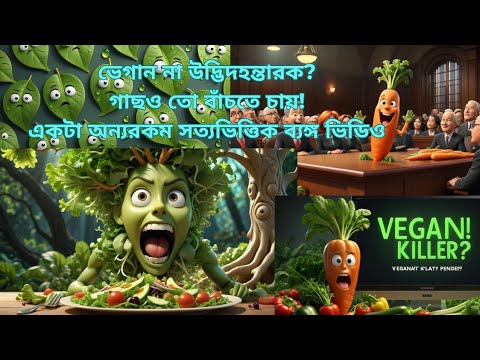
এই প্রবন্ধের বাংলা ভিডিও সংস্করণ। ইউটিউবে দেখতে এখানে ক্লিক করুন। The Bengali video version of this essay. Watch it on YouTube.
তথ্যসূত্রReferences
প্রতিটি সূত্র প্রকাশকের পাতায় যাচাই করা। DOI-তে ক্লিক করলে মূল গবেষণায় পৌঁছাবেন। Every entry was checked against the publisher record. Each DOI links to the original paper.
- The Vegan Society. Definition of veganism. “A philosophy and way of living which seeks to exclude — as far as is possible and practicable — all forms of exploitation of, and cruelty to, animals for food, clothing or any other purpose.” vegansociety.com
- Toyota M, Spencer D, Sawai-Toyota S, Wang W, Zhang T, Koo AJ, Howe GA, Gilroy S. “Glutamate triggers long-distance, calcium-based plant defense signaling.” Science. 2018;361(6407):1112–1115. 10.1126/science.aat7744
- Taiz L, Alkon D, Draguhn A, Murphy A, Blatt M, Hawes C, Thiel G, Robinson DG. “Plants Neither Possess nor Require Consciousness.” Trends in Plant Science. 2019;24(8):677–687. 10.1016/j.tplants.2019.05.008
- Robinson DG, Draguhn A. “Plants have neither synapses nor a nervous system.” Journal of Plant Physiology. 2021;263:153467. 10.1016/j.jplph.2021.153467
- Hansen MJ. “A critical review of plant sentience: moving beyond traditional approaches.” Biology & Philosophy. 2024;39:13. 10.1007/s10539-024-09953-1
- Poore J, Nemecek T. “Reducing food’s environmental impacts through producers and consumers.” Science. 2018;360(6392):987–992. 10.1126/science.aaq0216
- Scarborough P, Clark M, Cobiac L, Papier K, Knuppel A, Lynch J, Harrington R, Key T, Springmann M. “Vegans, vegetarians, fish-eaters and meat-eaters in the UK show discrepant environmental impacts.” Nature Food. 2023;4(7):565–574. 10.1038/s43016-023-00795-w
- Shepon A, Eshel G, Noor E, Milo R. “The opportunity cost of animal based diets exceeds all food losses.” PNAS. 2018;115(15):3804–3809. 10.1073/pnas.1713820115
- Fischer B, Lamey A. “Field Deaths in Plant Agriculture.” Journal of Agricultural and Environmental Ethics. 2018;31(4):409–428. 10.1007/s10806-018-9733-8
- Reid CA, Green JD, Buchmaier S, McSween DK, Wildschut T, Sedikides C. “Food-evoked nostalgia.” Cognition and Emotion. 2023;37(1):34–48. 10.1080/02699931.2022.2142525
- Green JD, Reid CA, Kneuer MA, Hedgebeth MV. “The Proust effect: Scents, food, and nostalgia.” Current Opinion in Psychology. 2023;50:101562. 10.1016/j.copsyc.2023.101562
সম্পাদকীয় নোট: এই প্রবন্ধটি বৈজ্ঞানিক ও নৈতিক আলোচনার জন্য লেখা। এটি ব্যক্তিগত চিকিৎসা বা পুষ্টিবিষয়ক পরামর্শ নয়। Plant sentience নিয়ে গবেষণা চলমান; নতুন শক্তিশালী প্রমাণ পাওয়া গেলে সংশ্লিষ্ট সিদ্ধান্ত সংশোধনযোগ্য।
Editorial note: This essay is written for scientific and ethical discussion. It is not personal medical or nutritional advice. Research on plant sentience is ongoing, and the conclusions here should be revised if stronger evidence appears.